

Blog 7

6 Steps to Keyword Research that Turns Your Content into a Lead Machine

As a business leader venturing into content marketing, you might wonder if keyword research is truly necessary or feel daunted by the technical aspects of SEO. However, establishing a solid foundation and system for your content can transform your words into valuable leads. 

Keyword research is crucial in your SEO strategy, guiding you to create content that resonates with your audience’s search queries. A colossal 93% of online experiences begin with a search engine. Making sure your business ranks well is imperative to being found online. 

It’s important to note that the approach to keyword research differs between your homepage, which may target broader terms, and specific content like blog posts or podcasts, which require more targeted keywords. By embracing keyword research, you can ensure your content marketing efforts are not only seen but also effective in attracting and converting your target audience.

Jump into this concise 6-step guide to kickstart your content research, attracting the right traffic that’s more likely to convert into loyal customers.

Understanding Keyword Research

Keyword research is the process of discovering and analysing the search terms that people use in search engines. It’s a foundational element of SEO and content creation, helping you understand the language of your target audience. By incorporating these keywords into your content, you can align your messages with their search intent, making your content more visible and relevant in search engine results. This strategic approach ensures that you’re not just creating content, but content that effectively reaches and engages your desired audience.

Step 1: Generate a Personal Keyword List

Reflect on Your Business: Start by considering the products or services you offer and the needs of your customers. What terms might they use to find solutions like yours?

Focus on Search Intent: Google now prioritises search intent, so think about the different motivations behind searches. For example, “dividend investing” indicates a different intent than “best income funds in Australia.”

Long-Tail Keywords: These are longer, more specific phrases that are less competitive and often have higher conversion rates. For example, instead of “asset manager,” consider “best asset management strategies for retirement income.”

• Brainstorm Broadly: Begin with a broad list of keywords related to your business, then refine it based on search intent and specificity.

Semantic Search: Understand that Google’s algorithm is designed to interpret the meaning behind searches. Incorporate synonyms and related terms to capture a wider range of search queries.

By starting with a strong foundation of keywords, you can better align your content with your audience’s needs and search behaviours.

Step 2: Utilise Google Autocomplete

• Explore Content Ideas: Start typing your broad keywords into Google’s search bar. The autocomplete feature will suggest popular search terms related to your query, providing insight into what your audience is searching for.

Analyse Trends: Pay attention to recurring themes in the autocomplete suggestions. These can reveal trends and concerns that are important to your audience.

Refine Your Keywords: Use the suggestions to refine your keyword list, focusing on long-tail phrases that align with your audience’s intent.

Stay Relevant: Regularly use autocomplete to keep your content ideas fresh and aligned with current search trends.

By leveraging Google Autocomplete, you can tap into a wealth of content ideas that are directly linked to what your audience is actively searching for.

Step 3: Analyse Competitor Keywords


Understanding your competitors’ keyword strategies is crucial for carving out your own space in the digital landscape. By analysing the keywords they target, you can gain insights into their content priorities and how they’re positioning themselves in the market. This step involves using specialised tools and paying close attention to how competitors organise their content. 

Here’s how to go about it:

Leverage Tools: Utilise platforms like SEMrush to uncover the keywords your competitors are focusing on. This can shed light on their content strategy and the areas they’re prioritizing.

Content Organisation: Observe how your competitors structure their content around these keywords. Look for patterns in their headings, subheadings, and keyword placement.

Strategic Differentiation: Identify opportunities to differentiate your content. This could mean targeting unique keywords, covering topics in more depth, or presenting information in a more engaging way.

Step 4: Engage with Customers

Engaging with your customers is a vital step in refining your keyword research and content strategy. Their feedback can provide valuable insights into the search terms they use and what sets your business apart in their eyes. Here’s how to effectively gather and utilise customer insights:

Gather Feedback: Use surveys, social media, or direct conversations to ask your customers about the search terms they used to find your business and the content they find most valuable.

Analyse Search Terms: Pay attention to the language and phrases your customers use. These can be goldmines for keyword ideas that resonate with your target audience.

Identify Unique Selling Points: Ask your customers what they believe sets you apart from competitors. This can help you highlight these points in your content.

Trends to refine your keyword strategy: 

Google Keyword Planner: This tool helps you identify keywords relevant to your business and estimate their search volume. It’s useful for pinpointing terms that can attract a significant audience without being overly competitive.

Google Trends: Use this tool to discover trending search terms in your industry. Focusing on these terms can help you capitalize on current interests and increase the visibility of your content.

By leveraging these tools, you can ensure your content targets keywords with the right balance of search volume and competition, making your content more likely to reach and engage your target audience.

Step 6: Create Hub Pages

Once you’ve identified the right keywords for your content, it’s crucial to shape your content to align with the intent behind those keywords. Understanding your audience’s desires allows you to craft content that meets their needs.

Building hub pages is a powerful strategy for establishing trust and authority while excelling in search results. These pages serve as a central resource for a specific topic, linking all related content together in a cohesive manner.

For example, a home remodeler might create a hub page titled “The Ultimate Guide to Investing for Retirement Income.” This page would feature links to various content pieces covering the investment process, from budgeting to portfolio management to income calculators.

By incorporating content that addresses key concerns identified through keyword research, such as financing options and design technology, your hub page becomes a comprehensive resource for your audience. This not only positions you as an authority in your field but also enhances your SEO as visitors engage with the content on your hub page.

Actions:

• Develop Comprehensive Hub Pages: Create central pages for each of your main topics, where visitors can find all related content in one place. This can include blog posts, videos, infographics, and more.

Guide Content Creation with Keywords: Use your keyword research to inform the content on your hub pages. Ensure that each piece of content addresses a specific aspect of the main topic and includes relevant keywords to improve search visibility.

Navigating the maze of content marketing can be daunting for business leaders. Keyword research bridges the gap between guesswork and targeted strategy, guiding you to craft content that resonates with your audience’s needs. By following the outlined steps and consistently applying these principles, you’ll not only enhance your SEO but also build a solid foundation for attracting and converting leads. Imagine the possibilities of a well-orchestrated content strategy: increased visibility, authority, and a steady stream of engaged customers. Embrace these strategies and watch your content become a powerful asset in your marketing arsenal.

If you liked this article, check out our Guide to Content Marketing.

Blog 6

How to Kill Writer’s Block and Come Up with Great Content Ideas

Seth Godin famously stated that content marketing is the only marketing left. This idea continues to hold weight, as content marketing, when done right, can be incredibly useful. 

Content is the bridge that takes your audience from awareness to trust.

Yet, the path to producing compelling content is fraught with challenges, notably writer’s block — a daunting barrier that intensifies under pressure. This common struggle can immobilise even the most skilled writers, turning the task of writing from a creative endeavour into a heavy obstacle.

Strategies to help overcome writer’s block:

Refresh Your Mind: Sometimes, a break is all you need. Step away from your work, take a walk outside, and allow the fresh air to clear your thoughts. This can help reset your mental state and spark new ideas.

Observe Your Audience: Take some time to reflect on your audience’s needs, pain points, and aspirations. Understanding what resonates with them can inspire relevant and impactful content.

Eliminate Distractions: Create a focused writing environment by identifying and removing distractions. Turn off email notifications, put your phone on silent, and find a quiet space where you can concentrate fully on your writing.

Change Your Environment: A change of scenery can do wonders for your creativity. Consider writing in a different room, at a local café, or even outdoors. A new environment can provide fresh perspectives and stimulate your imagination.

Outline Your Ideas: Organise your thoughts by creating an outline. This can provide a clear roadmap for your writing, making the process more efficient and less daunting.

Embrace Imperfection: Remember that your first draft doesn’t have to be perfect. The goal is to get your ideas down on paper. You can always refine and edit your content later.

After overcoming writer’s block, it’s time to generate fresh content ideas.

Strategies to help create new content ideas:

Brainstorming Session: Engage with your team to brainstorm ideas that resonate with your audience’s needs and interests. Think about their challenges, desires, and what solutions you can provide.

Keyword Research: Utilise tools like Moz SEO or Wordtracker to identify the phrases and topics your audience is searching for. This helps ensure your content aligns with their interests and queries.

Explore Forums: Dive into forums (e.g. Reddit) related to your industry to discover what your audience is discussing. This can provide valuable insights into their questions and concerns. 

Look Beyond Your Niche: Sometimes, inspiration can come from unexpected places. Explore content in different sectors to see what others are doing well and how you can adapt those strategies to your niche.

Leverage Tools: Use tools like BuzzSumo and Answer the Public to uncover popular topics and questions in your industry. This can help you create content that is both relevant and engaging.

Review Customer Communications: Analyse emails and conversations with your team to identify recurring questions and topics. This can provide a direct line to your customer’s interests and needs.

By following these steps and staying open to inspiration from various sources, you can continually develop new and compelling content ideas that resonate with your audience.

If you liked this article, check out our Guide to Content Marketing.

Blog 3

Turning Around a Stagnant Content Strategy

Many businesses invest considerable time and resources in crafting elaborate content plans and marketing goals. Detailed spreadsheets and ambitious objectives are meticulously laid out, yet a critical question arises: 

Are you actually taking action? 

Despite the best-laid plans, the true measure of success lies in execution. If you find yourself falling short, it’s not too late to shift gears and not only catch up but also exceed your original goals.

Embracing the Reset Button

Analytics and customer feedback provide valuable insights into what’s working and what isn’t. Recognising areas for improvement is the first step in revitalising your content strategy.

Refocusing Your Marketing Message

Competition for attention is more fierce than ever. In today’s marketing landscape, it’s crucial to align your message with your ideal client’s needs, engage them, and maintain their attention. 

Remember, your potential clients are not primarily interested in your products or services; they’re looking for solutions to their problems. 

If your messaging can clearly articulate how you address and solve their issues, you’re on the path to success. It’s essential to keep your messaging focused on your audience, not on yourself.

Understanding your audience thoroughly will benefit your content strategy across the board. Knowing how to communicate with them and identify their trigger phrases will elevate your marketing efforts.

Optimising Your Website as a Content Hub

Your website is the cornerstone of your content strategy. It’s where you:

  • Get found
  • Build trust
  • Educate
  • Inform
  • Nurture
  • Convert

To achieve these goals, ensure your website includes:

A Clear Promise: Highlight a promise above the fold on your homepage that addresses your visitors’ challenges.

• Call to Action: Guide visitors with a clear call to action, whether it’s requesting more information, scheduling a consultation, starting a free trial or downloading a free report.

Video Content: Video has become a crucial element for small businesses, providing a personal touch and showcasing your story. A video sales letter that includes client testimonials can vastly improve conversion.

Trust Elements: Incorporate trust-building elements like client logos or testimonials prominently on your homepage.

Fresh Content: Keep your website content updated with regular blog posts and content upgrades that offer premium content in exchange for contact information.

Core Services: Provide concise descriptions and images of your core services on your homepage, linking to detailed service pages for added SEO value.

Developing a Lead Generation Content Plan

A structured plan is essential for effective lead generation. Consider creating monthly themes related to your audience’s industry or pain points, each representing a significant keyword search term. Think of these themes as chapters in a book that will form a comprehensive body of work by year-end.

Use content upgrades to convert readers into leads and personalise your content to establish a connection with your audience. Additionally. repurposing existing content and sharing relevant external content on your social platforms will also add value. Create a flywheel of attracting visitors to your website where you can control the content.

Outsourcing Your Content Creation

Evidently, many business leaders understand the importance of content marketing but struggle to prioritise it amidst a packed calendar, an operations team focused on their core skills, and a small, overstretched marketing team. You might not even have a marketing team – many smaller businesses rely on generalists to execute everything from advertising to retention to sales. 

You and your team members’ most valuable asset is time. If content marketing feels like a drag on resources, it’s perfectly acceptable to invest in external resources that understand your business and the critical role of content. With a range of solutions available, from platforms and AI to specialised teams like Unio Growth Partners, the key is to take action and find the right support to bring your content strategy to life.

The Quick Takeaway

It’s never too late to revamp your content strategy. By refocusing your marketing message, optimising your website, developing a lead generation plan, and outsourcing content creation, you can get back on track and achieve your goals. Keep tracking progress and revising your strategy as needed for continued success.

If you liked this article, check out our Guide to Content Marketing

Quick Guide to Setting Up and Optimising Google My Business

Optimising Google My Business in 2024: A Step-by-Step Guide

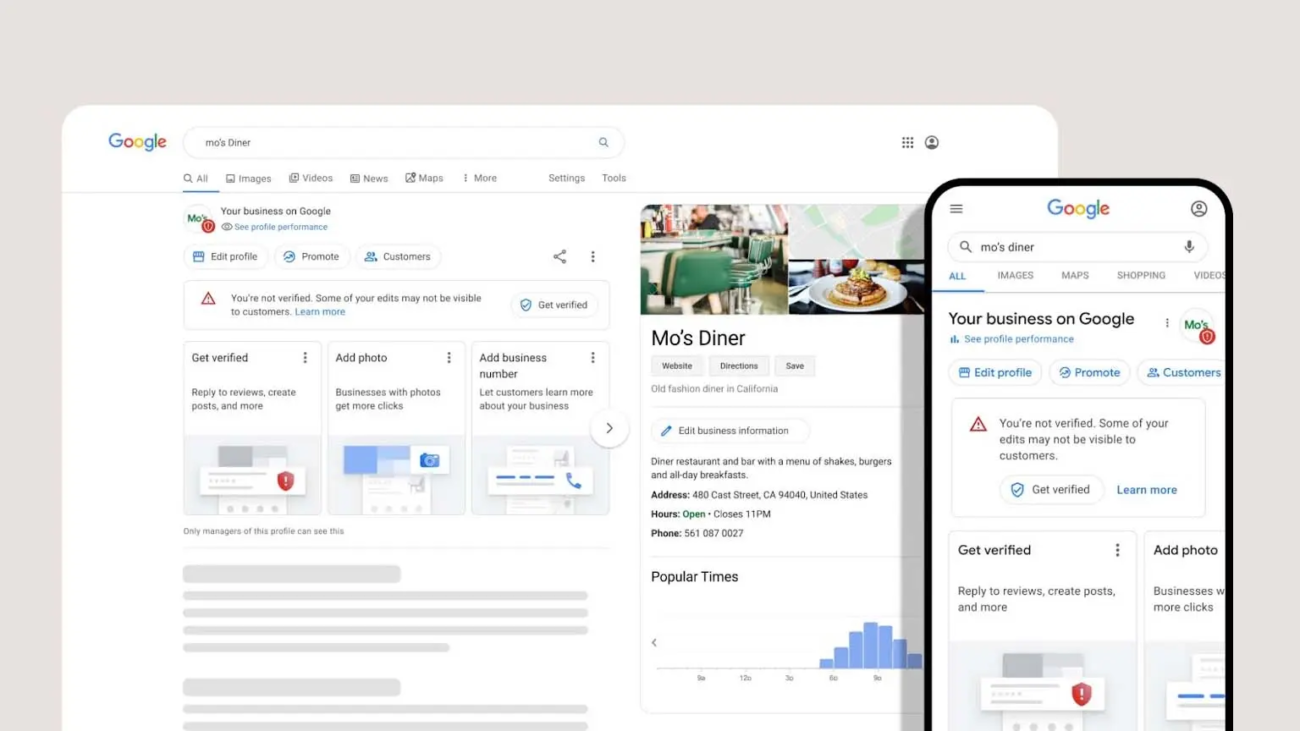
In the digital era, where online presence is crucial for business success, Google My Business (now Google Business Profile) emerges as a powerful, free tool for enhancing visibility on Google Search and Maps. This guide offers a step-by-step approach to setting up and optimising your profile efficiently, helping small businesses and entrepreneurs maximise their online footprint.

Understanding Google My Business

Google My Business, a free marketing tool by Google, allows business owners to manage their online appearance on platforms like Google Search and Google Maps. Whether you’re a service provider, a brick-and-mortar store, or an online retailer, your business information, including photos, location, services, and products, becomes accessible and visible to potential customers.

Quick Setup in Less Than 5 Minutes

  • Create or Log into Your Google Account: Use a dedicated business account for better control and privacy.
  • Add Your Business Information: Input your business name and proceed to the next step.
  • Define Your Business Type: Choose whether you’re an online retailer, local store, or service provider.
  • Enter Location Details: For physical stores, input your address. Online businesses should provide their website URL.
  • Contact Information: Add your business phone number and website, making it easier for customers to reach you.
  • Verification: Complete the verification process, which can be done via email or video, to gain full access to the profile’s features.

Optimising Your Google My Business Profile

  • Add Business Hours: Clearly state your operating hours.
  • Incorporate a Chat Option: Enable direct messaging from Google Search.
  • Craft a Compelling Business Description: Utilise up to 750 words to describe what sets your business apart.
  • Include High-Quality Photos: Showcase your business with professional images.
  • Regularly Update Your Profile: Keep your information current to avoid misleading potential customers.
  • Encourage and Respond to Reviews: Actively engage with customer feedback to build trust.
  • Utilise Special Attributes: Highlight unique aspects of your business like sustainability practices or inclusivity.
  • Leverage Keywords: Integrate relevant keywords seamlessly into your profile for better search visibility.
  • Promote with Posts: Use the posting feature for announcements, offers, or events.

Maintaining Your Profile for Continued Success

Regularly revisiting and updating your Google My Business profile is essential. From adjusting business hours to adding new photos or responding to customer reviews, consistent maintenance ensures your business remains relevant and attractive to potential customers.

Leveraging Google My Business for E-commerce

For online retailers, integrating your product catalogue with Google Business Profile can significantly enhance your visibility in Google Shopping searches. Utilise tools like Pointy for automated product listing and ensure your products are easily discoverable.

Conclusion

Setting up and optimising your Google My Business profile is a quick yet impactful step towards enhancing your online presence. By following these steps, small business owners and entrepreneurs can significantly increase their visibility, engage effectively with their audience, and drive more traffic both online and offline.

If you liked this article, check out our Guide to Content Marketing.
A 6-Step Workflow for Small Business Success

Mastering Content Marketing: A 6-Step Workflow for Small Business Success

Creating engaging and effective content can feel like a daunting task, especially when it seems to consume much of your time and results in inconsistency. This is where a well-structured content creation workflow becomes essential. It transforms chaotic processes into a streamlined system, ensuring clarity in creative direction, due dates, and task ownership – something indispensable for today’s marketing teams.

In a competitive world with fleeting attention spans, having a seamless content marketing machine is crucial. A functional workflow elevates your content’s quality and optimises productivity, fostering team collaboration. Let’s delve into creating an efficient content marketing workflow that stands the test of time.

Understanding Content Creation Workflow

A content creation workflow is a systematic, collaborative process that details the steps for producing and distributing content. It involves tools and tactics to simplify task execution, enhancing visibility and communication within the team. This structured approach allows tracking productivity, aligning with broader marketing goals, and scaling content creation efforts.

Why Structured Workflows Matter

Lacking a structured content workflow often results in disorganised marketing efforts. A defined workflow streamlines content creation, aligning it with resources and ensuring on-brand, timely, and budget-conscious production. It facilitates high-quality content creation with clear evaluation criteria and regular quality checks.

Task-Based vs. Status-Based Workflow

There are two main workflow approaches: task-based and status-based. Task-based workflows focus on completing specific actions and are effective for projects with defined tasks. Status-based workflows concentrate on a project’s stage, providing a high-level overview suitable for complex projects with multiple contributors. The choice depends on your project’s nature and team dynamics.

Building a Creative Content Workflow

Set Goals and Audience for Your Workflow: Determine the objectives and target audience for your workflow. This clarity helps in creating a process that meets the needs of different stakeholders, like writers, designers, and management.

Identify Content Types: Recognise the types of content your workflow will support, focusing on the mainstay of your marketing efforts.

Refine Your Process: Determine the “how” and “who” of your content creation. Outline the steps for each content type and assign responsibilities clearly, considering the strengths of your team members.

Define Roles and Responsibilities: Assign specific tasks to team members, ensuring clarity in who handles strategy, writing, editing, design, and distribution.

Organise and Automate: Document the workflow for each project type, emphasising efficiency. Use content management tools to automate repetitive tasks and streamline the process.
Measure Performance and Update: Regularly assess the workflow’s effectiveness and make necessary adjustments to improve efficiency and productivity.

Embracing the Right Tools

For enhanced efficiency, consider tools that combine task-based and status-based workflows. Automation and collaboration features in these tools can significantly boost your team’s creative and strategic capabilities.

The Value of a Comprehensive Workflow

An effective content workflow leads to streamlined communication, consistent content output, and greater overall efficiency and quality. It’s a dynamic process that requires adaptability and continuous improvement, but the benefits of a well-structured workflow are substantial.

In summary, implementing a strategic content creation workflow is vital for maximising the impact of your marketing efforts. It brings organisation and clarity, enabling your team to produce high-quality content consistently and efficiently.

If you liked this article, check out our Guide to Content Marketing.